


Product Description
A synthetic decapeptide and antagonist of the naturally occurring gonadotropin-releasing hormone (GnRH), with potential hormone production inhibitory and antineoplastic activities. Upon administration, teverelix directly competes with GnRH for receptor binding in the anterior pituitary gland, thereby inhibiting GnRH receptor signaling. This inhibits the secretion and release of luteinizing hormone (LH) and follicle stimulating hormone (FSH). In males, the inhibition of LH secretion prevents the release of testosterone. Since testosterone is required to sustain prostate growth, reducing testosterone levels may inhibit hormone-dependent prostate cancer cell proliferation. In females, this prevents the production of estrogen by the ovaries and may relieve symptoms from sex-hormone dependent diseases. (Sourced from: https://www.cancer.gov/publications/dictionaries/cancer-drug/def/teverelix)
Mechanisms of Action: GnRH Antagonist
Novel Mechanism: No
Modality: Small Molecule
Route of Administration: Injection
FDA Designation: *
Approval Status: Not Approved
Approved Countries: None
Approved Indications: None
Known Adverse Events: None
Company: Ardana Bioscience
Company Location:
Company Founding Year: 2000
Additional Commercial Interests: None
Clinical Description
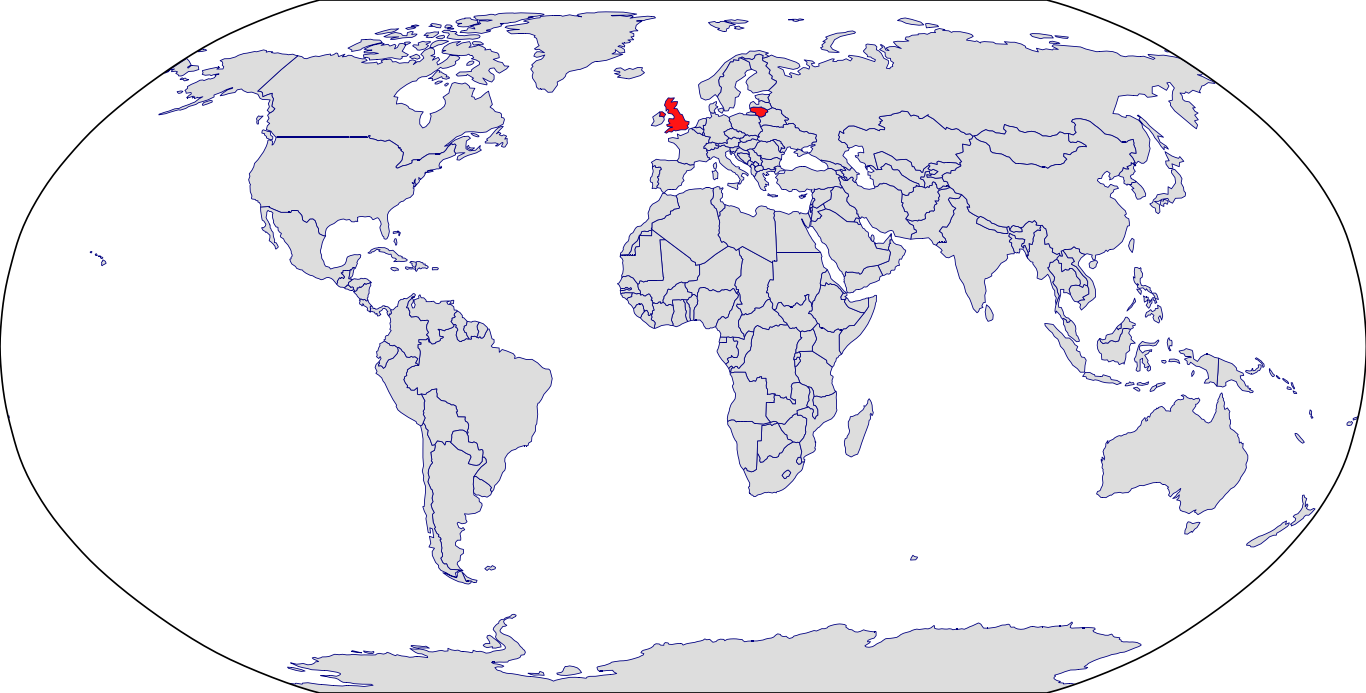
Countries in Clinic: Lithuania
Active Clinical Trial Count: 2
Recent & Upcoming Milestones
Highest Development Phases
Phase 2: Prostate Cancer
Trial ID |
Trial |
Phase |
Trial Status |
Disease |
Primary Completion Date |
Probability of Success |
Latest Trial Update Date |
Data Updated |
|---|---|---|---|---|---|---|---|---|
2023-509255-14-01 |
2023-509255-14-01 | P2 |
Not yet recruiting |
Prostate Cancer |
2026-10-31 |
2025-05-02 |
Treatments |
|
2020-000543-31 |
TEACh (Teverelix Evaluated in Advanced prostate Cancer) | P2 |
Active, not recruiting |
Prostate Cancer |
2021-10-26 |
2022-03-13 |
Treatments |