


Product Description
A lipid nanoparticle encapsulating mRNAs encoding for the human co-stimulatory protein tumor necrosis factor ligand superfamily member 4 (TNFSF4; OX40 Ligand; OX40L), the pro-inflammatory cytokines interleukin-23 (IL-23) and interleukin-36gamma (IL-36gamma), with potential immunomodulatory and anti-tumor activities. Upon intratumoral (IT) injection of the lipid nanoparticle encapsulated mRNAs encoding human OX40L/IL-23/IL-36gamma mRNA-2752, the lipid nanoparticle binds to the plasma membrane of cells and releases the mRNAs into the cell. The OX40L mRNA is then translated by the cellular protein translation machinery to produce OX40L protein, which is then expressed on the plasma membrane of the cells that internalized the OX40L mRNA. OX40L binds to and activates signaling pathways downstream of its cognate receptor tumor necrosis factor receptor superfamily member 4 (TNFRSF4; OX40), which is expressed on activated T-cells. OX40L/OX40 binding promotes increased cytokine production, which can induce proliferation of memory and effector T lymphocytes against the nearby tumor cells. The co-administration of IL-23 and IL-36gamma further stimulates anti-tumor immune responses. Altogether, this may enhance T cell mediated anti-tumor immune responses thereby killing of the tumor cells. OX40L, a cell surface glycoprotein and member of the tumor necrosis factor (TNF) ligand superfamily, provides a co-stimulatory signal for the proliferation and survival of activated T-cells. IL-36gamma activates innate immune cells and promotes T-helper 1 (Th1) responses, whereas IL-23 has been implicated in Th1/Th17 immunity as well as in the modulation of antigen-presenting cells (APCs). (Sourced from: https://www.cancer.gov/publications/dictionaries/cancer-drug/def/796816)
Mechanisms of Action: OX40 Stimulant, IL23 Stimulant, IL36 Stimulant
Novel Mechanism: Yes
Modality: Nucleic Acid
Route of Administration: Injection
FDA Designation: *
Approval Status: Not Approved
Approved Countries: None
Approved Indications: None
Company: ModernaTX, Inc.
Company Location:
Company Founding Year: None
Additional Commercial Interests: None
Clinical Description
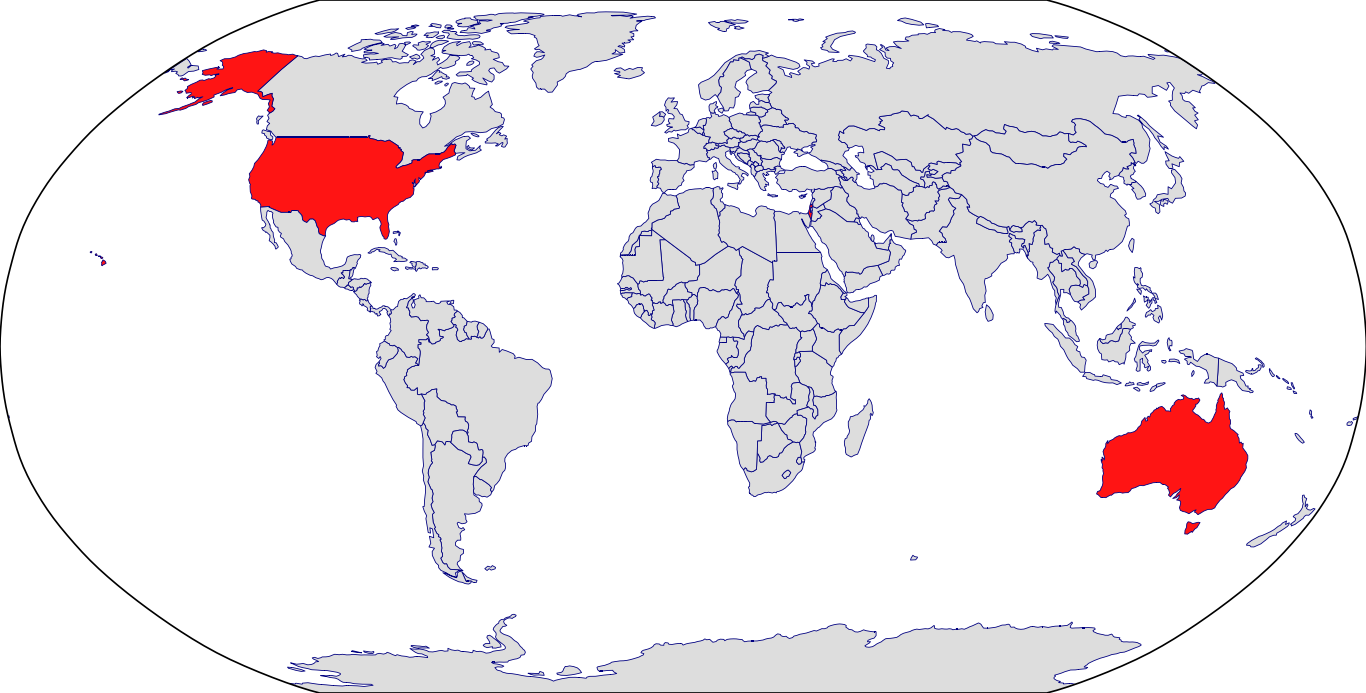
Countries in Clinic: Australia, Israel, United States
Active Clinical Trial Count: 2
Recent & Upcoming Milestones
Highest Development Phases
Phase 1: Ductal Carcinoma|Head and Neck Cancer|Intraductal Noninfiltrating Carcinoma|Lymphoma, Non-Hodgkin|Melanoma|Non-Small-Cell Lung Cancer|Transitional Cell Carcinoma|Triple Negative Breast Cancer
Trial ID |
Trial |
Phase |
Trial Status |
Disease |
Primary Completion Date |
Probability of Success |
Latest Trial Update Date |
Data Updated |
|---|---|---|---|---|---|---|---|---|
NCT02872025 |
NCI-2017-01320 | P1 |
Active, not recruiting |
Intraductal Noninfiltrating Carcinoma|Ductal Carcinoma |
2026-03-31 |
12% |
2025-08-27 |
Primary Endpoints|Treatments |
NCT03739931 |
mRNA-2752-P101 | P1 |
Completed |
Melanoma|Non-Small-Cell Lung Cancer|Triple Negative Breast Cancer|Transitional Cell Carcinoma|Lymphoma, Non-Hodgkin|Head and Neck Cancer |
2025-08-01 |
12% |
2025-08-16 |
Primary Completion Date|Primary Endpoints|Study Completion Date|Treatments|Trial Status |
Recent News Events
Date |
Type |
Title |
|---|---|---|
|
09/12/2024 |
News Article |
Moderna R&D Day Highlights Progress and Strategic Priorities |
|
04/05/2024 |
News Article |
Florida Cancer Specialists & Research Institute Clinical Research Driving Progress to Cure Cancer |
|
09/13/2023 |
News Article |
Moderna Expands the Field of mRNA Medicine with Positive Clinical Results Across Cancer, Rare Disease, and Infectious Disease |
|
01/10/2022 |
News Article |
Moderna Announces Advances Across Its Industry-Leading mRNA Pipeline and Provides Business Update |