


Product Description
An orally bioavailable inhibitor of phosphoinositide 3-kinase delta (PI3-kinase subunit delta; PI3K-delta; PI3Kdelta) and DNA-dependent protein kinase (DNA-PK), with potential antineoplastic and immunomodulating activities. Upon oral administration, the DNA-PK/PI3K-delta inhibitor BR101801 inhibits the activity of both PI3K-delta and DNA-PK. This prevents PI3K-mediated signaling pathways and may lead to the inhibition of cancer cell growth in PI3K-overexpressing tumor cells. Specifically, since PI3K regulates c-myc expression, inhibition of PI3K signaling may lead to a decrease in proliferation of c-myc-expressing tumor cells. Also, by inhibiting the activity of DNA-PK, this agent interferes with the non-homologous end joining (NHEJ) process and prevents the repair of DNA double strand breaks (DSBs) caused by ionizing radiation or chemotherapeutic treatment. This increases chemo- and radiotherapy cytotoxicity by inhibiting the ability of tumor cells to repair damaged DNA. The PI3K pathway is upregulated in a variety of tumors and plays an important role in regulating cancer cell proliferation, growth, and survival. DNA-PK is activated upon DNA damage and plays a key role in repairing double-stranded DNA breaks. The enhanced ability of tumor cells to repair DSBs plays a major role in the resistance of tumor cells to chemo- and radiotherapy. In addition, BR101801 is able to decrease Tregs and increase CD8 lymphocytes. (Sourced from: https://www.cancer.gov/publications/dictionaries/cancer-drug/def/dna-pk-pi3k-delta-inhibitor-br101801)
Mechanisms of Action: PI3K Inhibitor, DNA-PK Inhibitor
Novel Mechanism: Yes
Modality: Small Molecule
Route of Administration: Oral
FDA Designation: *
Approval Status: Not Approved
Approved Countries: None
Approved Indications: None
Known Adverse Events: None
Company: Boryung
Company Location: Asia Pacific
Company Founding Year: 1957
Additional Commercial Interests: None
Clinical Description
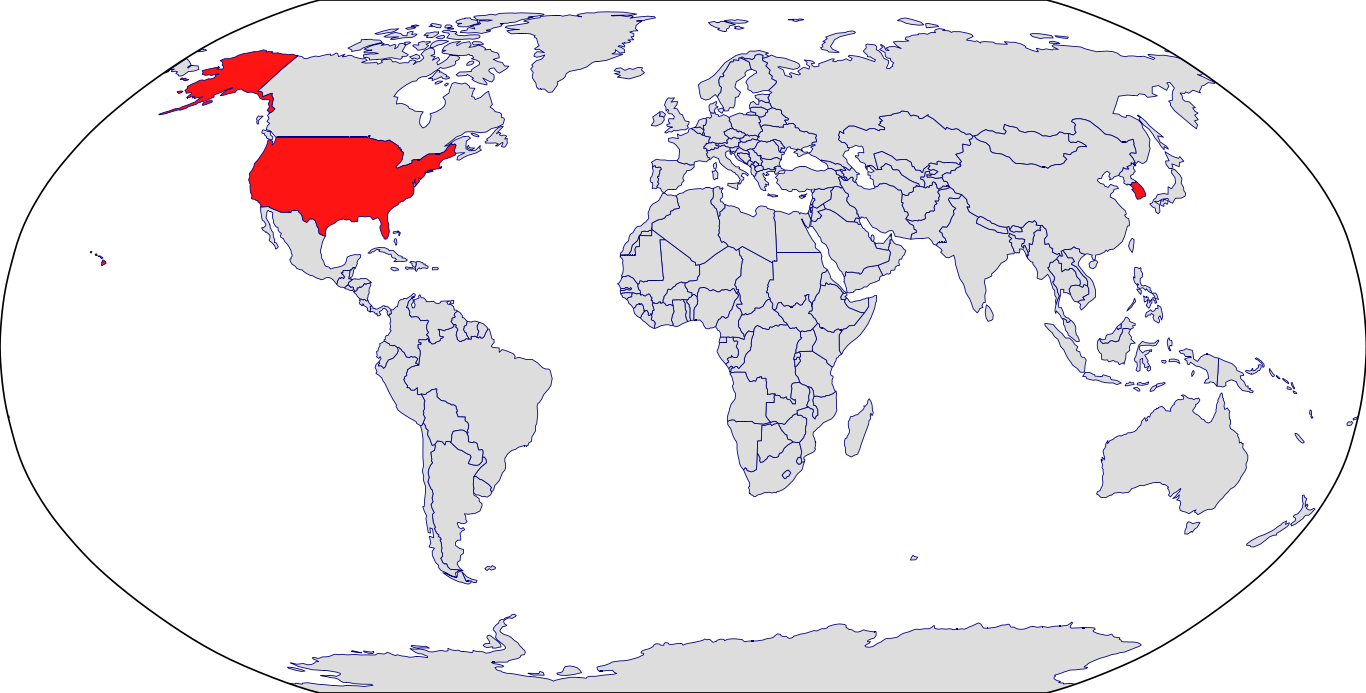
Countries in Clinic: South Korea, United States
Active Clinical Trial Count: 2
Recent & Upcoming Milestones
Highest Development Phases
Phase 2: T-Cell Peripheral Lymphoma
Phase 1: B-Cell Marginal Zone Lymphoma|Chronic Lymphoid Leukemia|Diffuse Large B-Cell Lymphoma|Follicular Lymphoma|Lymphocytic Chronic B-Cell Leukemia|T-Cell Leukemia|Waldenstrom Macroglobulinemia
Trial ID |
Trial |
Phase |
Trial Status |
Disease |
Primary Completion Date |
Probability of Success |
Latest Trial Update Date |
Data Updated |
|---|---|---|---|---|---|---|---|---|
NCT04018248 |
BR-101801-CT-101 | P1 |
Completed |
Diffuse Large B-Cell Lymphoma|T-Cell Leukemia|Lymphocytic Chronic B-Cell Leukemia|Waldenstrom Macroglobulinemia|Follicular Lymphoma|Chronic Lymphoid Leukemia|T-Cell Peripheral Lymphoma|B-Cell Marginal Zone Lymphoma |
2023-09-21 |
44% |
2025-09-11 |
Patient Enrollment|Primary Endpoints|Study Completion Date|Treatments|Trial Status |
NCT07180771 |
BR-101801-CT-201 | P2 |
Not yet recruiting |
T-Cell Peripheral Lymphoma |
2027-09-01 |
12% |
2025-09-19 |
Primary Endpoints|Treatments |