


Product Description
Cantharidin is natural toxin produced by the blistering beetle. It has both vesicant and keratolytic features by inducing acanthloysis through targeting the desmosomal dense plaque, leading to detachment of the desmosomes from the tonofilaments. (Sourced from: https://pubmed.ncbi.nlm.nih.gov/27319954/)
Mechanisms of Action: PP1 Inhibitor, PP2 Inhibitor
Novel Mechanism: No
Modality: Small Molecule
Route of Administration: Topical
FDA Designation: *
Approval Status: Approved
Approved Countries: Egypt | United Kingdom
Approved Indications: None
Company: GSK
Company Location: Europe
Company Founding Year: 2000
Additional Commercial Interests: None
Clinical Description
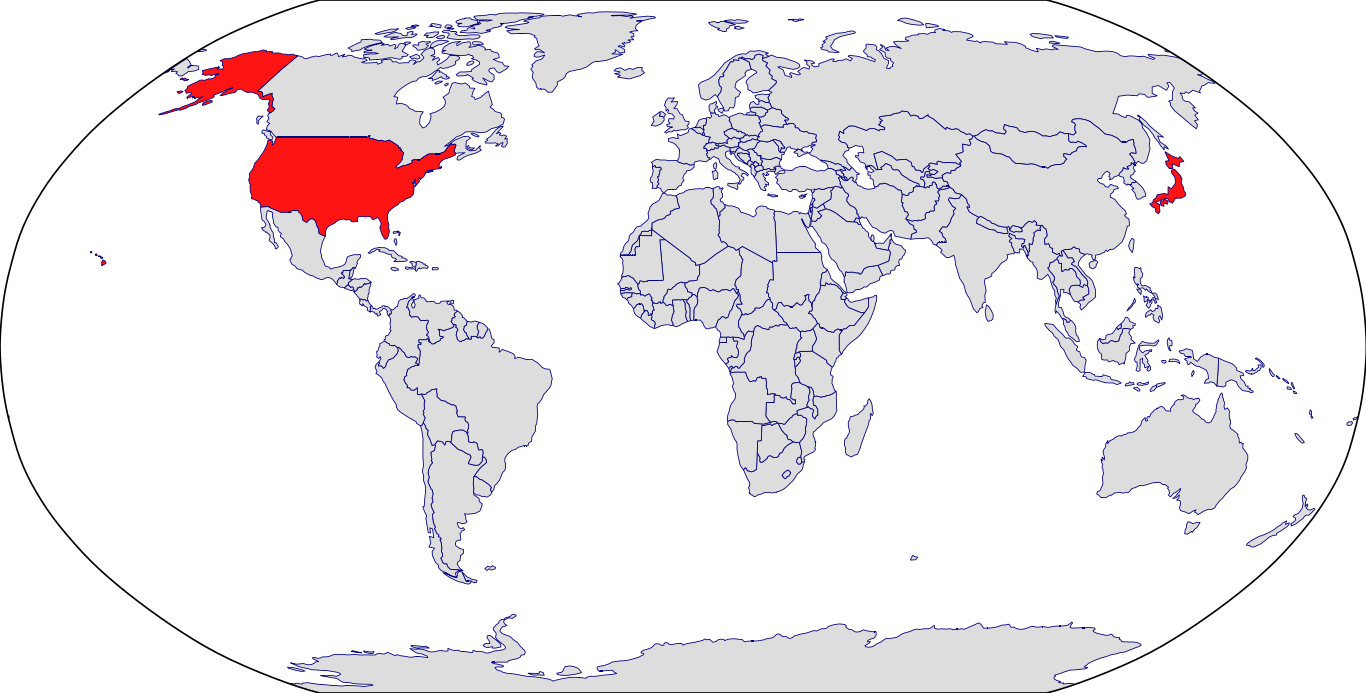
Countries in Clinic: Japan, United States
Active Clinical Trial Count: 7
Recent & Upcoming Milestones
- PDUFA goal date for VP-102 NDA is July 23, 2023, targeting treatment for molluscum contagiosum in the U.S.
- Verrica Pharmaceuticals expects FDA decision on VP-102 for molluscum contagiosum treatment by September 23, 2021. Excited for potential launch.
- Verrica's vp-102, under FDA review for treating molluscum, has a PDUFA goal date of June 23, 2021.
Highest Development Phases
Phase 3: Molluscum Contagiosum|Papilloma|Warts
Trial ID |
Trial |
Phase |
Trial Status |
Disease |
Primary Completion Date |
Probability of Success |
Latest Trial Update Date |
Data Updated |
|---|---|---|---|---|---|---|---|---|
jRCT2031230204 |
jRCT2031230204 | P1 |
Recruiting |
Molluscum Contagiosum |
2024-05-31 |
|||
NCT07246590 |
COVE-2 | P3 |
Recruiting |
Warts|Papilloma |
2027-06-01 |
11% |
2026-01-22 |
Primary Endpoints|Start Date|Treatments|Trial Status |
jRCT2031250704 |
jRCT2031250704 | P3 |
Not yet recruiting |
Warts |
2028-07-31 |
|||
NCT07457918 |
COVE-4 | P3 |
Recruiting |
Warts|Papilloma |
2028-04-30 |
6% |
2026-05-06 |
Primary Endpoints|Start Date|Treatments|Trial Status |
jRCT2031250703 |
jRCT2031250703 | P3 |
Not yet recruiting |
Warts |
2027-09-30 |
|||
NCT07637734 |
COVE-3 | P3 |
Not yet recruiting |
Papilloma|Warts |
2027-08-01 |
9% |
2026-06-11 |
Primary Endpoints|Treatments |
jRCT2041220039 |
jRCT2041220039 | P3 |
Active, not recruiting |
Molluscum Contagiosum |
2024-02-29 |